Top herbivores play a critical role in shaping the natural world. From African elephants roaming the savannah to bison grazing the North American plains, these large plant-eaters influence the structure, diversity, and health of ecosystems. Their movements, feeding habits, and behaviours affect not only plants but also countless other species that share their habitats. When top herbivores disappear, ecosystems can change dramatically. Vegetation may grow unchecked, certain plants may dominate while others vanish, and the balance between species shifts. These changes ripple through food webs, affecting predators, smaller herbivores, and even soil and water systems.
This blog explores why top herbivores matter, what happens when they decline, and how humans can help restore them. By understanding their role, we can see that conserving these species is not just about protecting iconic animals—it is about maintaining the very fabric of ecosystems.
Who Are the Top Herbivores?
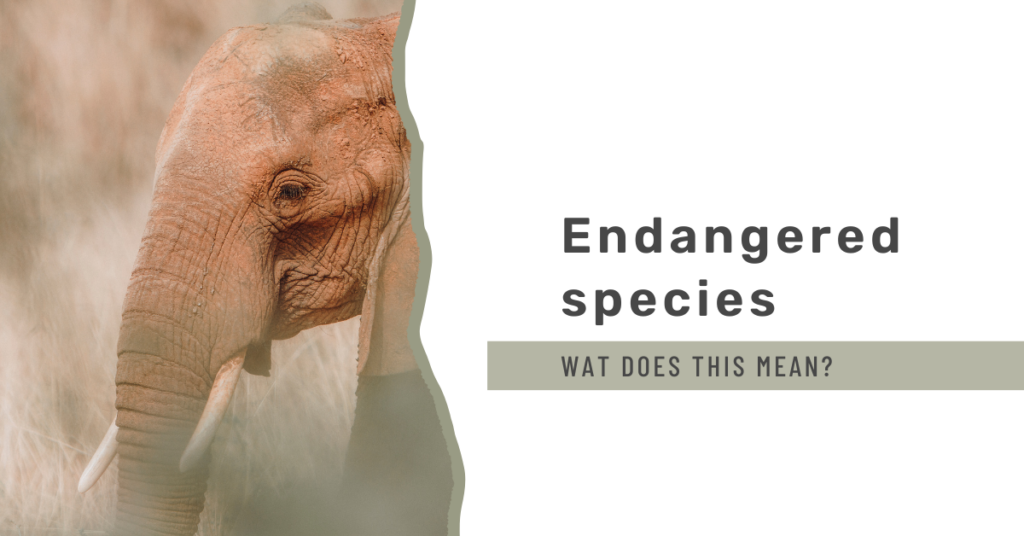
Top herbivores are the largest plant-eating animals in an ecosystem. They often have few predators once they reach adulthood, and their size and feeding habits allow them to shape landscapes in ways smaller animals cannot. Examples include African elephants, giraffes, and hippos in the savannah; bison in grasslands; and even manatees in coastal waters.
These animals are not only impressive in size; they are ecological engineers. Elephants uproot trees and create clearings that allow grasses and smaller plants to grow, while bison grazing patterns prevent any single plant species from taking over. Sea turtles, as top herbivores in some marine environments, keep seagrass beds healthy, which in turn supports fish and invertebrates. Understanding who the top herbivores are helps us see why their presence matters. They influence plant composition, seed dispersal, and nutrient cycling. Without them, ecosystems lose some of their most powerful agents of change, which can cascade through the food web and affect countless other species.
Their Role in Ecosystems
Top herbivores play a central role in maintaining ecosystem balance. By feeding on large amounts of vegetation, they prevent certain plants from dominating and allow a diversity of species to thrive. Their grazing and browsing habits shape the structure of forests, grasslands, and savannahs, creating habitats for smaller animals, birds, and insects. Many top herbivores also act as keystone species. Their presence influences the abundance and distribution of other organisms, sometimes in surprising ways. For example, elephants create water holes and clear pathways that benefit smaller herbivores and even predators. These animals help cycle nutrients through their droppings, enriching the soil and supporting plant growth.
Seed dispersal is another critical function. Large herbivores carry seeds in their fur or digestive systems, moving plants across the landscape and helping maintain plant diversity. Without top herbivores, these natural processes slow down or stop, leading to less resilient ecosystems. By shaping vegetation, supporting biodiversity, and influencing other species, top herbivores act as ecosystem engineers. Their role extends far beyond the plants they eat, making them indispensable for healthy, functioning environments.
What Happens When a Top Herbivore Disappears
When top herbivores disappear, ecosystems can change dramatically and quickly. Without their grazing, browsing, and seed-dispersing activities, some plants overgrow while others vanish. Over time, this imbalance can reduce plant diversity and alter the structure of habitats that countless other species depend on. The loss of top herbivores can trigger a trophic cascade—a chain reaction that affects multiple levels of the food web. For example, fewer herbivores may lead to overgrown vegetation, which can reduce space and resources for smaller herbivores. Predators then face food shortages, and insect and bird populations may decline as habitats become less suitable.
Soil and water systems can also suffer. Herbivores help recycle nutrients through their droppings, and their movements compact or loosen soil in ways that influence plant growth and water flow. Without them, ecosystems may become less productive, less resilient to changes, and more vulnerable to invasive species. These effects show that top herbivores are not just large animals roaming the landscape—they are critical architects of ecosystems. Their disappearance can ripple through entire habitats, demonstrating that protecting these species is essential for maintaining ecological balance.
Human Causes of Herbivore Loss
Top herbivores face many threats caused by human activity. Hunting and poaching for meat, horns, or hides have dramatically reduced populations of elephants, rhinos, and other large herbivores in many regions. Habitat destruction from agriculture, logging, and urban development further fragments their ranges, making it difficult for these animals to find food, water, and mates. Even well-meaning human activities can have unintended consequences. Roads, fences, and dams can block migration routes, isolating populations and reducing genetic diversity. Pollution from chemicals, plastics, and runoff can degrade habitats, affecting both plants and the herbivores that depend on them.
Climate change compounds these threats. Shifting rainfall patterns, rising temperatures, and extreme weather events alter vegetation and water availability, putting additional pressure on top herbivores. Their survival often depends on wide-ranging landscapes, and human-driven environmental change can make these areas inhospitable. Understanding how humans contribute to the decline of top herbivores highlights the responsibility we share. Protecting these species requires addressing the root causes of their loss while balancing the needs of both people and wildlife.
Efforts to Restore Herbivores
Conservation projects around the world aim to restore top herbivores and repair the ecosystems they support. Reintroduction programs have brought species like bison, elephants, and wild horses back to areas where they were once extinct or severely reduced. These efforts often require careful planning, habitat restoration, and ongoing monitoring to ensure the animals thrive. Anti-poaching initiatives and stronger wildlife protections also play a crucial role. Rangers, community programs, and technology such as drones and GPS tracking help protect top herbivores from illegal hunting and human conflict. Engaging local communities ensures that people benefit from conservation through jobs, tourism, or sustainable resource use, creating incentives to safeguard these species.
Restoration goes beyond individual animals. Habitat improvement, such as planting native vegetation, removing invasive species, or reconnecting fragmented areas, helps create landscapes where top herbivores can survive and move freely. When these species return, they naturally restore ecological processes, from grazing and seed dispersal to nutrient cycling. By combining protection, reintroduction, and habitat management, conservationists demonstrate how restoring top herbivores can revitalise ecosystems. These efforts show that humans have the power to reverse some of the damage and support both wildlife and ecological balance.
Lessons for Conservation
The story of top herbivores teaches important lessons for conservation. Their decline demonstrates how interconnected species are and how the loss of one group can ripple through entire ecosystems. Protecting these animals is not just about preserving iconic species—it is about maintaining ecosystem health and resilience. One key lesson is that conservation cannot focus on a single species in isolation. Top herbivores influence plants, smaller animals, predators, and even soil and water systems. Their presence or absence shapes the structure and function of habitats. Understanding these relationships is essential for creating effective conservation strategies.
Another lesson is the importance of proactive action. Waiting until populations are critically low can make recovery costly and complicated. Early intervention, habitat protection, anti-poaching measures, and community involvement increase the chances that top herbivores—and the ecosystems they support—will survive and thrive. Finally, conservation success depends on humans recognizing their role in the system. Our actions directly affect the survival of top herbivores, and by extension, the balance of nature. The decline of these species is a reminder that protecting ecosystems requires both wildlife-focused strategies and responsible human stewardship.
Why Top Herbivores Matter for Ecosystems
Top herbivores are much more than the largest animals in an ecosystem; they are architects of habitats, drivers of biodiversity, and essential players in the balance of nature. Their presence shapes vegetation, supports countless other species, and maintains the health and resilience of ecosystems. When top herbivores decline or disappear, the effects ripple across the environment. Overgrown vegetation, altered food webs, and reduced plant diversity are just some of the changes that can occur. These impacts show that conserving these species is critical not only for their survival but for the stability of entire ecosystems.
Human activity is both the cause of their decline and a key part of the solution. Through habitat protection, anti-poaching measures, reintroduction programs, and community engagement, we can restore top herbivores and the ecological processes they support. Their recovery demonstrates the positive impact people can have when conservation is done thoughtfully and proactively. Protecting top herbivores reminds us that ecosystems are complex, interconnected, and vulnerable. By understanding their role and taking action to conserve them, we safeguard the very foundation of nature and ensure that wildlife and humans alike can thrive in a balanced, healthy world.
Want to support my work?
I spend a lot of time keeping this website filled with educational content and keeping updates about what I do to achieve my dream of working and living in Africa. Do you want to support me? You can buy me a coffee or purchase one of my prints. All proceeds will go towards my research work and the time spent on this website.